
Residential Painting Services Toronto 2026: Costs & Trends

Table of Contents
Why Homeowners Hire Professional Painters in 2026
Average Cost of House Painting
How Painters Price a Job
What Drives Your Quote Up or Down
What a Written Estimate Should Include
Why Ranges Beat a Single Number
Interior, Exterior, and Cabinet Refinishing: What Residential Painting Services Cover
Interior House Painting
Exterior Painting and Brick Staining
Cabinet Refinishing
How to Prepare Home for Professional Painters
Residential Painting Project Timeline: What to Expect Week by Week
Best Paint Finishes for High Traffic Areas
Eco-Friendly Paint and Seasonal Timing: Two Things Most Quotes Skip
Low-VOC and Zero-VOC Paint: What the Labels Actually Mean
Seasonal Timing for Exterior Work in This Climate
How to Ask About Both
DIY vs Hiring Professional Painters: A Real Cost-Benefit Breakdown
Frequently Asked Questions
Last Updated: October 2, 2026
Why Homeowners Hire Professional Painters in 2026
Residential painting services have shifted from a cosmetic upgrade to a strategic home investment. At Scarlett Painting Inc, we've observed homeowners moving from quick weekend DIY jobs toward professional painters who deliver finishes that last. A properly prepped and painted home protects surfaces, lifts curb appeal, and holds value.
The math favors professionals more than most people expect. Residential painting done right involves surface preparation, priming, caulking, and multiple finish coats; skipping any step shows up within a season. A rushed DIY repaint often needs redoing sooner, while a professional job holds up far longer.
Below, we break down how long projects take, and what separates a quote worth accepting from one you should walk away from.
Key Takeaway The single biggest predictor of how long a paint job lasts isn't the paint brand. It's the surface preparation before the first coat goes on.
Average Cost of House Painting
Most homeowners searching for residential painting services want one thing first: a realistic number. Refusing to give any range isn't honesty, it's a missed opportunity to help you budget.
How Painters Price a Job
Reputable contractors use one of three pricing models:
Per square foot of wall or floor area, most common for interior repaints. The rate typically covers labor, paint, and standard prep.
Per room or flat rate, common for condos and standard-sized bedrooms where scope is predictable.
Hourly plus materials, used for small jobs, repairs, or projects with an unclear scope.
Ask which model your contractor uses. A per-square-foot quote is easier to compare across bidders; an hourly quote shifts risk onto you if the job runs long.
What Drives Your Quote Up or Down
Four factors move a quote more than anything else:
Square footage and ceiling height, larger rooms and vaulted ceilings mean more surface area and labor. High ceilings require specialized equipment or extension poles.
Surface condition, cracked drywall, peeling paint, and water stains require repair before painting. A damaged wall can double prep time.
Prep complexity, caulking, sanding, and priming add time but determine durability. Skipping prep is the fastest way to a cheaper quote and a shorter-lived finish.
Access and logistics, condo elevator bookings, parking, and furniture moving affect scheduling. A downtown condo with a two-hour elevator window costs more than a suburban house with a driveway.
What a Written Estimate Should Include
A quote worth accepting spells out the scope in writing. Look for:
Number of finish coats (two is standard; one is a red flag)
Whether primer is included, and what type
Which surfaces are covered, walls only, or walls plus ceilings, trim, doors, and baseboards
Whether drywall repair and caulking are in scope or billed separately
Paint brand and product line, not just 'premium paint'
Timeline and payment schedule
Anyone quoting a firm number over the phone without seeing the property is guessing.
Key Takeaway A quote that is significantly lower than the others is almost never a bargain. It usually means prep is being skipped, coats are being cut, or the price will climb once work starts.
Why Ranges Beat a Single Number
If a contractor gives one flat number for 'painting a house,' ask what it assumes. A full interior repaint of a three-bedroom home and a single accent wall are not the same job. Get at least three written estimates on the same scope.
Interior, Exterior, and Cabinet Refinishing: What Residential Painting Services Cover
Most full-service painting contractors handle three core categories: interior walls and ceilings, exterior surfaces, and cabinet refinishing. Each requires different prep methods, products, and timelines.

Interior House Painting
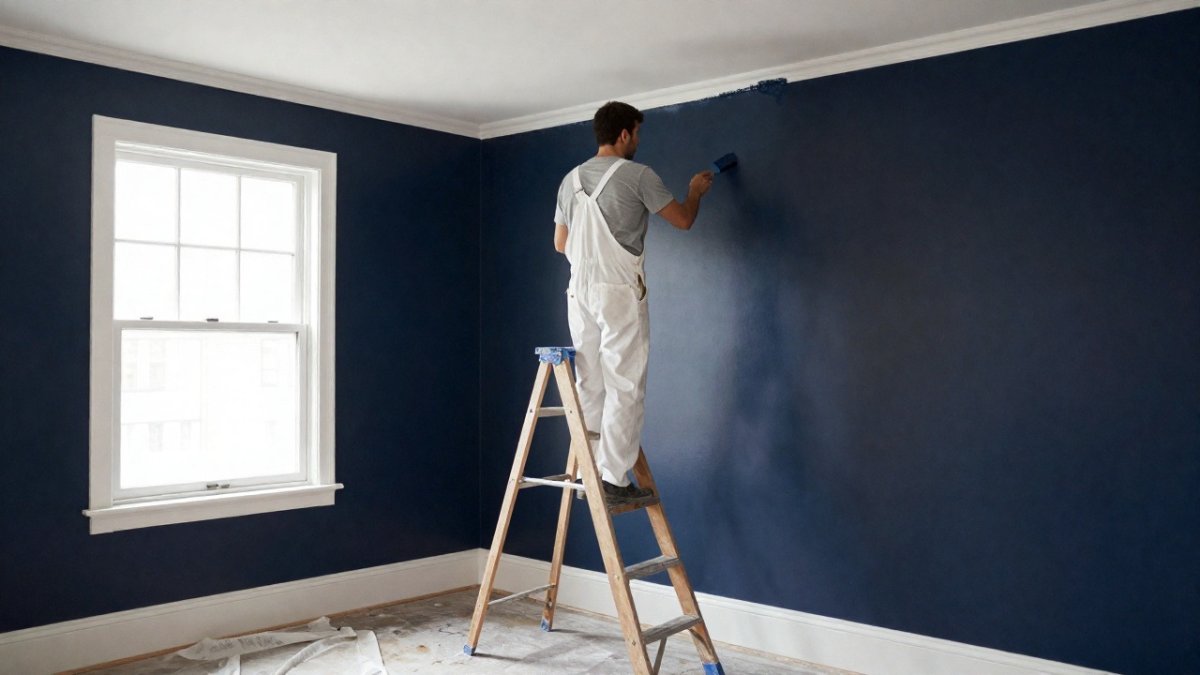
Interior house painting covers walls, ceilings, trim, baseboards, and doors. The work starts with protection: drop cloths, taped edges, and furniture moved to the center of the room. Prep includes filling nail holes, sanding rough patches, and caulking gaps along trim.
Exterior Painting and Brick Staining
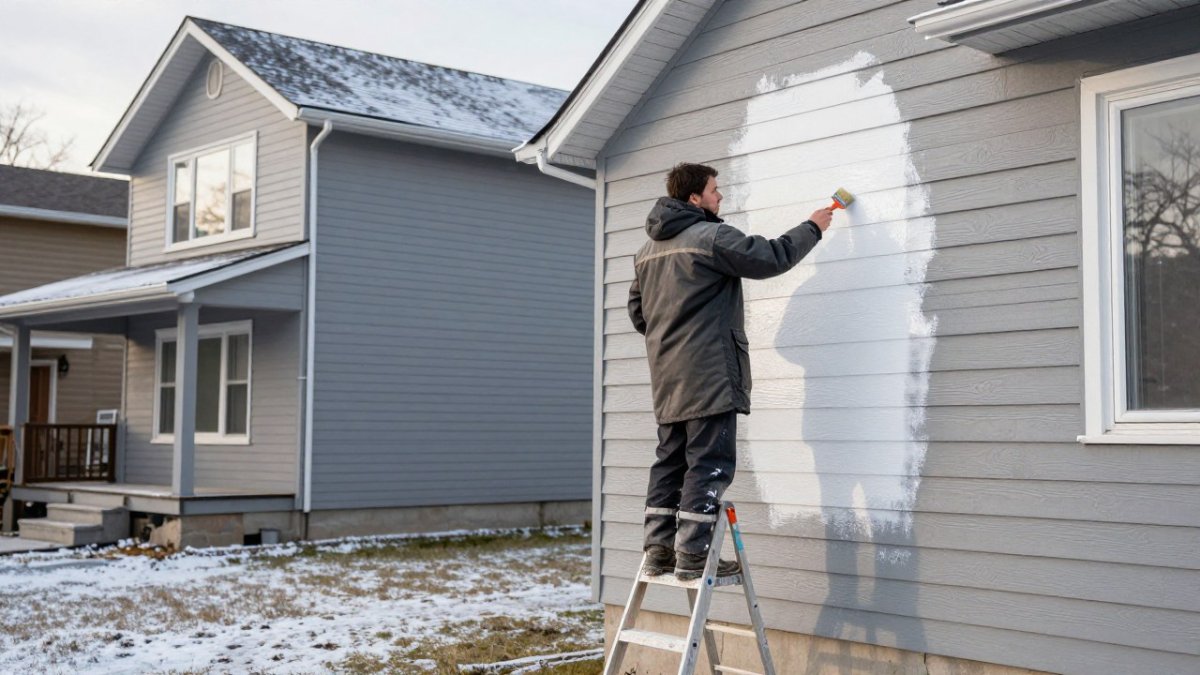
Exterior painting protects against moisture, UV, and temperature swings. In this region, exterior work is seasonal: paint needs consistent temperatures to cure, so most projects run from late spring through early fall.
Cabinet Refinishing
Cabinet refinishing transforms a kitchen for a fraction of the cost of replacement. The process involves removing doors and drawers, cleaning and degreasing surfaces, sanding, priming with a bonding primer, and spraying multiple finish coats.
Watch Out Painting cabinets without a bonding primer is the most common reason refinishing peels within a year. The primer is what makes the finish stick to a slick factory surface.
How to Prepare Home for Professional Painters
Preparation on your end is lighter than most people expect, but it keeps the project moving and protects your belongings.
Clear small items, wall art, and electronics from rooms being painted
Move furniture to the center of each room, or arrange help if pieces are heavy
Remove curtains, blinds, and hardware from windows
Note any wall damage you want repaired so it's included in the scope
Secure pets and plan for a quiet space away from fumes
Confirm parking and, for condos, book the elevator in advance
Residential Painting Project Timeline: What to Expect Week by Week
Timelines depend on scope, but a typical residential repaint follows a predictable rhythm:
Phase | What Happens | Typical Duration |
Consultation and estimate | Walkthrough, measurements, written quote | 1-3 days |
Scheduling and prep | Materials ordered, rooms cleared, surfaces protected | 1-2 days |
Surface preparation | Patching, sanding, caulking, priming | 1-3 days |
Painting | Ceilings, walls, trim, multiple coats | 2-5 days |
Site cleanup and walkthrough | Final inspection, touch-ups, cleanup | Same day |
Pro Tip Ask your contractor how they handle delays before the project starts. The best ones build weather and dry-time buffers into the schedule rather than promising an unrealistic finish date.
Best Paint Finishes for High Traffic Areas
Finish choice is where many homeowners get talked into the wrong product. For high traffic areas, satin or semi-gloss is the practical pick: these finishes form a harder, more washable surface that stands up to scuffs, fingerprints, and repeated cleaning. Flat finishes look elegant but show every mark.
A quick guide to matching finish to room:
Hallways, kitchens, bathrooms: satin or semi-gloss for washability
Living rooms and bedrooms: eggshell for a soft look with some durability
Ceilings: flat, which hides imperfections
Trim, doors, baseboards: semi-gloss for a hard, cleanable surface
Eco-Friendly Paint and Seasonal Timing: Two Things Most Quotes Skip
Two topics decide how a paint job feels to live with and how long it lasts, yet most quotes never mention either.
Low-VOC and Zero-VOC Paint: What the Labels Actually Mean
Volatile organic compounds (VOCs) are the solvents that give paint its smell and help it flow. They off-gas during application and for days after, which is why a freshly painted room can trigger headaches, dizziness, or breathing irritation, especially in children, the elderly, and anyone with asthma or chemical sensitivity.
Low-VOC, typically under 50 grams per liter for flat finishes. Noticeably less odor than standard paint.
Zero-VOC, under 5 grams per liter. Minimal smell, often paintable in occupied homes.
Natural paints, made from plant oils, clay, and minerals. Very low odor, but they cure differently and are not right for every surface.
Seasonal Timing for Exterior Work in This Climate
Exterior paint needs specific conditions to cure properly. Too cold, and it won't form a durable film; too hot or humid, and it dries unevenly or traps moisture. Rain during the curing window can wash a fresh coat off entirely.
Pro Tip If you are planning exterior work, book in early spring. Good crews fill their calendars fast during the short exterior window, and the best slots go to the homeowners who called first.
How to Ask About Both
When you request an estimate, add two questions: 'Which products do you recommend for low-VOC, and is the primer included?' and 'What is your exterior season, and how do you handle weather delays?' A contractor who answers both clearly has thought about your home, not just the invoice.
DIY vs Hiring Professional Painters: A Real Cost-Benefit Breakdown
DIY painting looks cheaper on paper, paint and supplies cost less than a contractor's labor, but that comparison leaves out the parts that decide whether the job lasts.
Frequently Asked Questions
How much does residential painting cost in 2026?
Pricing depends on square footage, ceiling height, surface condition, and whether the job involves drywall repair or cabinet refinishing. Most contractors price by the room or by square footage rather than a flat rate. A single bedroom costs far less than a full main floor, and exterior work adds scaffolding or weather delays. Request a free estimate with a written, fixed price so you can compare quotes on equal terms.
What is the best time of year to hire residential painters?
Late spring through early fall is the sweet spot for exterior work because temperatures and humidity stay within the range most paints need to cure properly. Interior painting runs year-round, and booking in winter often means faster scheduling and less competition. If you need exterior painting or brick staining, aim to book by early spring, since good crews fill their summer calendars quickly.
How do I verify a painting contractor before hiring them?
Ask for proof of liability insurance and coverage for workers, then confirm the policy is current. Request two or three recent local references and read their customer reviews. Get the quote in writing with a fixed price, a start date, and a completion date. A contractor who hesitates on any of these is a risk, especially on a job where a crew is inside your home for days.
How long does a full interior painting project take?
A single bedroom is usually a one-day job. A full interior repaint of a three-bedroom home typically runs four to seven working days, depending on surface preparation, drywall repair, and how many coats the walls need. Cabinet refinishing adds several days because doors and drawers are removed, sprayed, and left to cure. Your contractor should give you a written timeline before work starts.
Request A Quote

Comments